

Dental Crowns in Downtown Seattle
Understand your options for a damaged tooth
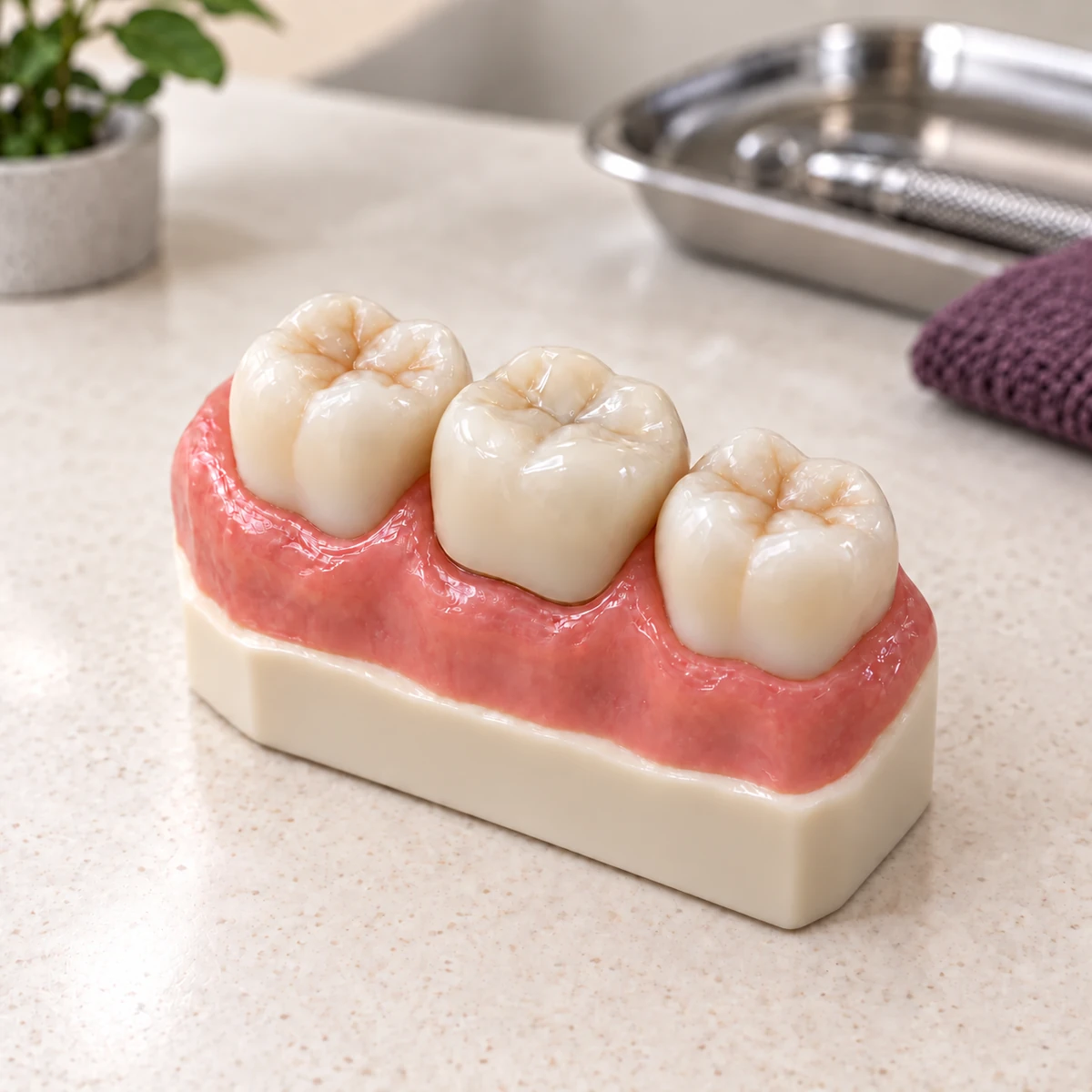
Restore a damaged tooth
A crown is a custom covering that helps restore a weakened or damaged tooth’s shape and function.
At Summit Dental Care, we work with a dental laboratory to make crowns. We also provide inlays and onlays when appropriate.
If you have a broken tooth or a failing filling or crown, request an evaluation. We’ll examine the tooth, explain your options, and answer your questions.
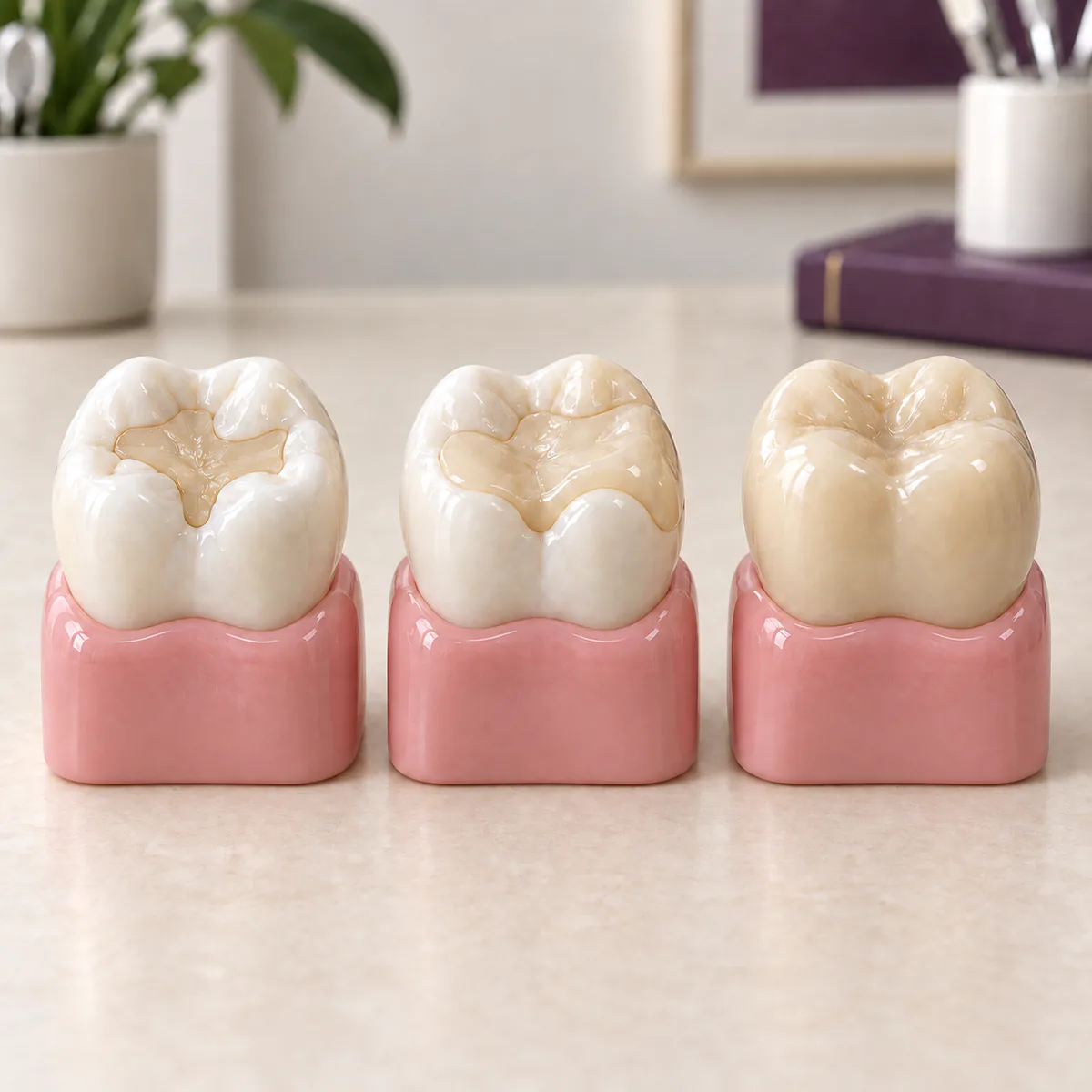
Choosing a restoration
We look at how much natural tooth remains and the support it needs for normal biting before recommending a crown, inlay, onlay, or filling.
When a crown may help
We may discuss a crown for a tooth with a significant break, a large failing filling with little natural tooth remaining, or too little support for biting. Other examples include teeth that have had root canal treatment, implant restorations, and existing crowns that are breaking down.
Inlays, onlays, and fillings
Inlays and onlays restore part of a tooth. An inlay fits within the biting surface; an onlay also covers one or more of the tooth’s raised points.
We may also discuss a filling, though it may not be suitable when too little natural tooth remains.
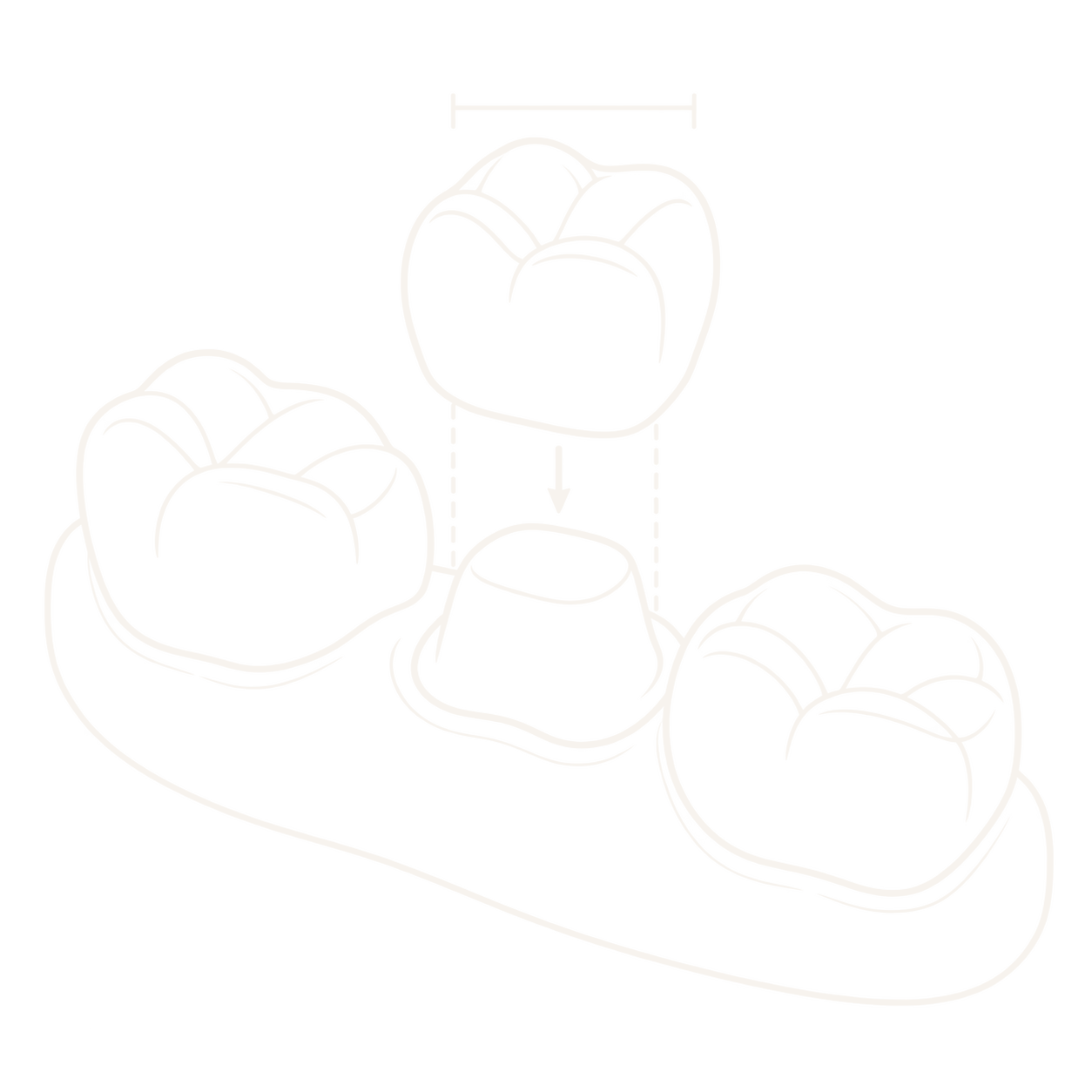
Materials for your crown
No single material is best for every crown. We choose materials case by case and explain the options for your tooth.
Zirconia
Zirconia is a strong, tooth-colored ceramic used for crowns. Different types vary in strength and translucency, or how much light passes through the crown. These differences help us balance strength with appearance.
e.max (lithium disilicate)
The e.max material we use is lithium disilicate, a glass-ceramic that combines strength with a tooth-like appearance. Different shades and translucencies help it blend with surrounding teeth. It can also be used for inlays and onlays when appropriate.
Other ceramic restorations
Dental ceramics are a family of tooth-colored materials with different strengths and appearances. We may recommend another ceramic when it suits your tooth.
Questions About Dental Crowns
The preparation appointment is typically about two hours.
- Treatment usually takes two visits.
- See what happens at each visit.
Your temporary crown stays on until your second visit.
- The permanent restoration generally returns from the laboratory in about two weeks.
- Timing can vary.
Follow your aftercare instructions while wearing a temporary crown.
- Avoid hard and crunchy foods.
- Avoid sticky foods.
Contact our office at (206) 292-9980 for guidance.
Your care is planned individually after an exam.
- Call (206) 292-9980 to ask about an estimate.
- Some insurance plans may cover part of a crown.
- Plans may limit covered materials or apply downgrade provisions, basing payment on a less costly option.
- Your policy and agreement with your insurer determine coverage. Verify your benefits with your insurer.
- Our office may assist with estimates, but cannot guarantee benefits.
- Insurance, payment, and estimates